
As Support at Home reforms reshape aged care delivery, providers are being asked to demonstrate measurable outcomes while managing rising operational pressure. Nutrition has emerged as a critical area where impact can be clearly evidenced.
Poor nutrition is closely linked to frailty, falls, hospital admissions and loss of independence. Yet delivering consistent, high-quality meal support across diverse client needs remains a challenge for many providers.
Sector research frequently cited shows that a significant proportion of older Australians living independently are malnourished or at risk, contributing to muscle loss, unintentional weight decline and reduced resilience. The Australian Dietary Guidelines emphasise nutrient-dense meals, adequate protein and portion sizes suited to smaller appetites—requirements that are difficult to meet without structured support.
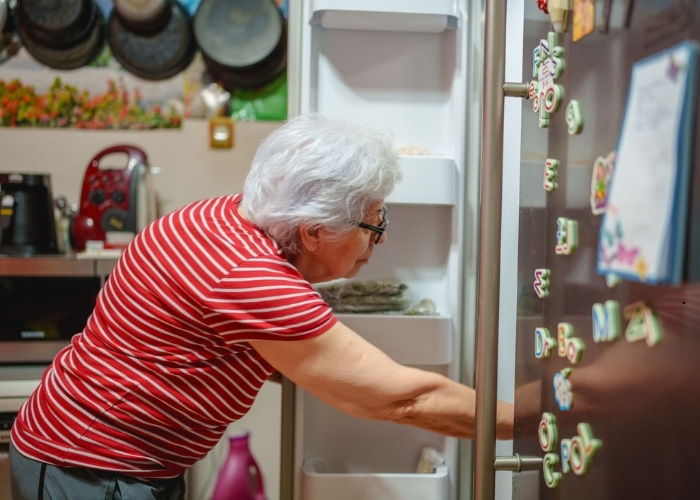
Specialised senior meal delivery services are increasingly being integrated into care plans to address this gap. Dietitian-designed options provide balanced nutrition, appropriate portions and convenience, while reducing food waste and preparation demands.
For providers, incorporating meal services under Support at Home funding can streamline operations and free staff to focus on clinical and personal care. With CareVision, these supports can be easily planned, tracked and reported—helping providers evidence strong nutrition outcomes while supporting client independence.