Call us on 1300 324 070
Support Centre Log in
CareVision home
Solutions
By outcome
Operational EfficiencyLess admin, smoother daysGovernance and RiskBoard ready oversight and controlQuality and SafeguardingSafe, consistent, compliant careFinancial ViabilityProtect margin and cash flowClient ExperienceAn experience that keeps clients choosing youWorkforce SustainabilityAttract, support and keep great staff
By funder
SAH SoftwareQuote, deliver and claim Support at HomeNDIS SoftwareDisability supports, SIL and community participationCHSP SoftwareCommonwealth Home Support and DEX reportingVHC SoftwareVeterans' Home Care services and bulk claimsHACC SoftwareHACC and HACC PYP servicesPrivate Care SoftwareFee for service and private clients
By care type
Home Care SoftwareCare delivered in clients' homes and communityRespite Centres SoftwareCentre based and overnight respiteSIL and Accommodation SoftwareSupported living, group homes and STARetirement Communities SoftwareCare for residents in villagesSupport Coordination SoftwareCoordinate supports and plan budgetsDigital Concierge and Lifestyle SoftwareKiosks, apps and community engagement View all solutions →
Features
Care and clients
Intake and TriageEnquiries sorted and routed in minutesLeads and ReferralsCare CRM for enquiries and referrersCare PlansPlans, goals and care domainsClient and Case ManagementPlans, goals, forms and complianceProgress NotesNotes by voice or text at the visitClient and Family AppsTransparency for clients and their circleMessaging and CommunicationSecure conversations and alertsGroup Programs and SILGroups, respite and SIL households
Quality and compliance
Forms, Workflows and Smart AlertsAutomation that keeps things movingIncident ManagementReport, investigate and resolveCare Partner CompanionClient snapshots and early flagsHR and ComplianceOnboarding, credentials and sign-offService Agreements and e-SignatureAgreements accepted on any device
Workforce optimisation
Scheduling and RosteringThe right worker, matched and filled fastCare Worker CompanionAI on every worker’s phoneAward Verification and TimesheetsShifts verified, timesheets to payrollPayroll IntegrationVerified hours to your payrollContractor ManagementSubcontractors and brokerage
Finance and viability
Quoting and Budget ControlsAccurate quotes, budgets kept on trackBilling and ClaimingRates, claims, statements and invoicingInvoice Processing and MatchingContractor invoices matched automatically
Platform and services
Dashboards and ReportingLive KPIs, budgets and qualityIntegrations and APIConnected to the systems you useReal and Artificial IntelligenceThe intelligence behind the platformSecurity and PrivacyAustralian hosting, role based accessImplementation ServicesMigration, setup, training and go-live View all features →
Resources
Learn
Case studiesHow providers use CareVisionIndustry reportsGuides and researchNewsroomUpdates and releasesEvents and webinarsMeet us and learn onlineSupport CentreHelp articles and contactMove to CareVisionGuides on moving from other systemsCareVision AcademyTraining for every role
About
Company
Who we areOur story since 2013Leadership teamThe people behind CareVisionCareers with usJoin a team that caresContact usTalk to our team
Workforce

Importance of Palliative Care Training for Aged Care Nurses

The End-of-Life Pathway under Support at Home relies on nurses skilled in palliative care. Ageing Australia's Queensland Gerontological Nursing Program helps upskill them.

WorkforceSupport at HomeExecutives

Industry news · 16 September 2025 · 3 min read · CareVision Newsroom

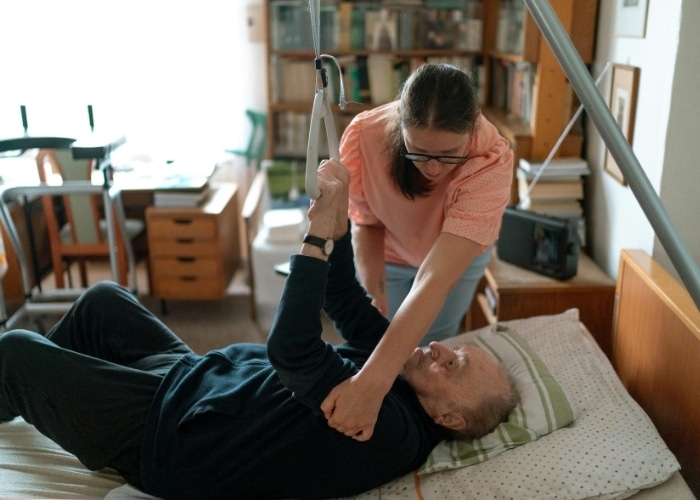
Aged care nurse comforting an older client at home

As Australia prepares to roll out its new End-of-Life Care Pathway under the Support at Home Program in November 2025, the role of aged care nurses has never been more important. This landmark reform offers targeted support for older Australians in their final weeks of life, enabling them to die with dignity at home. But funding alone won’t improve end-of-life care.

Aged care nurses are the cornerstone, and their readiness to deliver high-quality palliative care will ultimately determine the success of this policy. With many of our current nurses trained before gerontology or palliative care were core subjects, delivering the right training for upskilling will be critical.

A key component in preparing the workforce for these changes in Queensland is Ageing Australia’s Gerontological Nursing Program, an education and professional development initiative designed to elevate the quality of nursing care for older Australians. Funded by the Queensland Government, the program prepares nurses to support end-of-life care.

The program offers accessible, flexible training that upskills existing staff and delivers best-practice education to new staff. It includes modules on palliative care, trauma-informed care, nutrition and chronic disease management, all delivered through case-based learning grounded in real-world practice. Importantly, it aligns with the reform’s values of dignity, choice and continuity of care.

The program also offers credentials and mentorship to support gerontological nursing as a career, along with ongoing professional development. As demand for skilled end-of-life care rises, this recognition will help attract and retain passionate nurses in aged care, positively influencing graduates’ career decisions.

By 2050, over 150,000 Australians are expected to die each year in need of palliative care, and many of those will be supported through home-based aged care. As more Australians choose to die at home, demand for trained aged care nurses will increase sharply.

“Our aim is to support and inspire more nursing graduates to pursue fulfilling careers in the aged care sector through a comprehensive suite of initiatives, including a series of online micro-credentials and mentoring support,” said Belinda Allen, Ageing Australia General Manager of Services and Sector Capacity.

“By embedding palliative care training into initiatives like Ageing Australia’s Gerontological Nursing Program, we are not just filling a skills gap; we are affirming that caring well at the end of life is fundamental to aged care, not an afterthought.”

The 2025 aged care reforms acknowledge what families have known for decades – dying at home should be a supported choice and not a struggle. But for this to become a safe and dignified reality, nurses must be empowered as leaders of care at the end of life.

By investing now in training, we are giving nurses the tools they need not just to deliver clinical care, but to offer the kind of presence, humanity and advocacy that defines excellent palliative practice.

“For many older Australians, aged care nurses are the final people they will trust, speak with or be touched by. That moment deserves to be met with skill, confidence and deep compassion,” said Belinda.

The Gerontological Nursing Program is funded through the Workforce Connect Fund, powered by the Queensland Government’s Good People. Good jobs: Queensland Workforce Strategy 2022-2032.

Ageing Australia

employment.agedservicesworkforce.com.au/geronursing

CareVision Newsroom

Program updates and practical guidance for Australian care providers, from the team building CareVision since 2013.

Next article165 Aged Care Homes Do Not Meet 24/7 RN Requirement →

Short on staff and time? Let’s talk.

Fill shifts faster, verify awards and keep every credential current.