Call us on 1300 324 070
Support Centre Log in
CareVision home
Solutions
By outcome
Operational EfficiencyLess admin, smoother daysGovernance and RiskBoard ready oversight and controlQuality and SafeguardingSafe, consistent, compliant careFinancial ViabilityProtect margin and cash flowClient ExperienceAn experience that keeps clients choosing youWorkforce SustainabilityAttract, support and keep great staff
By funder
SAH SoftwareQuote, deliver and claim Support at HomeNDIS SoftwareDisability supports, SIL and community participationCHSP SoftwareCommonwealth Home Support and DEX reportingVHC SoftwareVeterans' Home Care services and bulk claimsHACC SoftwareHACC and HACC PYP servicesPrivate Care SoftwareFee for service and private clients
By care type
Home Care SoftwareCare delivered in clients' homes and communityRespite Centres SoftwareCentre based and overnight respiteSIL and Accommodation SoftwareSupported living, group homes and STARetirement Communities SoftwareCare for residents in villagesSupport Coordination SoftwareCoordinate supports and plan budgetsDigital Concierge and Lifestyle SoftwareKiosks, apps and community engagement View all solutions →
Features
Care and clients
Intake and TriageEnquiries sorted and routed in minutesLeads and ReferralsCare CRM for enquiries and referrersCare PlansPlans, goals and care domainsClient and Case ManagementPlans, goals, forms and complianceProgress NotesNotes by voice or text at the visitClient and Family AppsTransparency for clients and their circleMessaging and CommunicationSecure conversations and alertsGroup Programs and SILGroups, respite and SIL households
Quality and compliance
Forms, Workflows and Smart AlertsAutomation that keeps things movingIncident ManagementReport, investigate and resolveCare Partner CompanionClient snapshots and early flagsHR and ComplianceOnboarding, credentials and sign-offService Agreements and e-SignatureAgreements accepted on any device
Workforce optimisation
Scheduling and RosteringThe right worker, matched and filled fastCare Worker CompanionAI on every worker’s phoneAward Verification and TimesheetsShifts verified, timesheets to payrollPayroll IntegrationVerified hours to your payrollContractor ManagementSubcontractors and brokerage
Finance and viability
Quoting and Budget ControlsAccurate quotes, budgets kept on trackBilling and ClaimingRates, claims, statements and invoicingInvoice Processing and MatchingContractor invoices matched automatically
Platform and services
Dashboards and ReportingLive KPIs, budgets and qualityIntegrations and APIConnected to the systems you useReal and Artificial IntelligenceThe intelligence behind the platformSecurity and PrivacyAustralian hosting, role based accessImplementation ServicesMigration, setup, training and go-live View all features →
Resources
Learn
Case studiesHow providers use CareVisionIndustry reportsGuides and researchNewsroomUpdates and releasesEvents and webinarsMeet us and learn onlineSupport CentreHelp articles and contactMove to CareVisionGuides on moving from other systemsCareVision AcademyTraining for every role
About
Company
Who we areOur story since 2013Leadership teamThe people behind CareVisionCareers with usJoin a team that caresContact usTalk to our team
Support at Home

The Value of Occupational Therapy in Home Care

A $15,000 lifetime cap on home modifications makes OT guidance more important for keeping older people safe at home and protecting care workers.

Support at HomeAged careWellbeing and ageingCoordinatorsOperations leaders

Guide · 15 June 2025 · 3 min read · CareVision Newsroom

Occupational therapist assessing handrails in an older person's bathroom

A major change to home modification funding is about to challenge the way older Australians live – and age with dignity and independence – at home. From 1 July, a lifetime cap of just $15,000 replaces the former, more flexible model, which allowed up to $10,000 annually through the Commonwealth Home Support Programme or accrued funds through Home Care Packages. For many, this shift could mean the difference between living safely at home and facing preventable hospital visits and premature entry into residential care, significantly impacting the lives of older people in Australia.

Occupational therapists – through their expert guidance – see firsthand how home modifications, big and small, can transform lives. Installing handrails, altering steps, widening doorways or redesigning spaces for accessibility are essential building blocks towards independence. Falls alone account for more than half of hospitalisations among people over 65, and research shows home hazard reductions can reduce falls by up to 30 per cent.

Yet, these vital changes often come with substantial costs. Major modifications can exceed $50,000, far beyond the new cap. Without appropriate modifications, homes become risk zones for clients and care staff alike. Unmodified homes may force providers to limit services or withdraw them altogether to protect workers’ safety. For home care providers, changes to funding for home modifications present both a challenge and an opportunity to step up as advocates and allies in keeping older Australians safe at home.

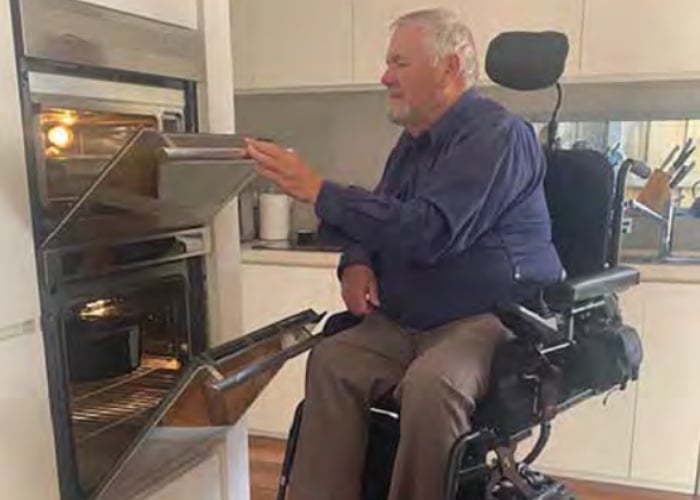
Peter Willcocks, a polio survivor and wheelchair user, understands the importance of home modification funding better than most. Thoughtful modifications to his home, from accessible laundry layouts to raised toilets, enable him to manage daily life independently. However, Peter worries about the future for others under the new funding model. “I don’t need to rely on my wife for everything,” he says. “That’s a gift. But the $15,000 lifetime cap just isn’t enough.”

So, how can home care providers help play a role in navigating the funding shift? With many families unaware of the new funding constraints, the first step is education. Providers can help clients and their families understand options, prepare financially and access other sources of support where possible. Referring early and often is also key. Providers should integrate occupational therapists into care planning processes from the beginning, allowing enough time to carefully and thoroughly identify and prioritise modifications before crises occur.

By actively working with occupational therapists, home care providers can help bridge the gap between the needs of clients like Peter and the limitations of the funding system. Occupational therapists can help assess, recommend and design modifications tailored to individual circumstances. It’s also important to remember that the best solution doesn’t have to be the most expensive. With budgets and funding shrinking, aged care providers should work closely with occupational therapists to explore staged modifications to maximise safety and function.

Ultimately, occupational therapy is about more than equipment and ramps. It’s about ensuring older Australians can continue living with autonomy and dignity. As funding becomes tighter, the partnership between home care providers and occupational therapists will be more important than ever.

Christina Wyatt

Professional Practice Advisor for Aged Care

Occupational Therapy Australia

otaus.com.au

CareVision Newsroom

Program updates and practical guidance for Australian care providers, from the team building CareVision since 2013.

Next articleLonger Wait Times for Care →

Running Support at Home? Let’s talk.

Quote, roster and claim Support at Home with live quarterly budgets and contributions handled in one platform.